
A professional guide to ingredients, tempering, ganache, bonbons and chocolate quality.
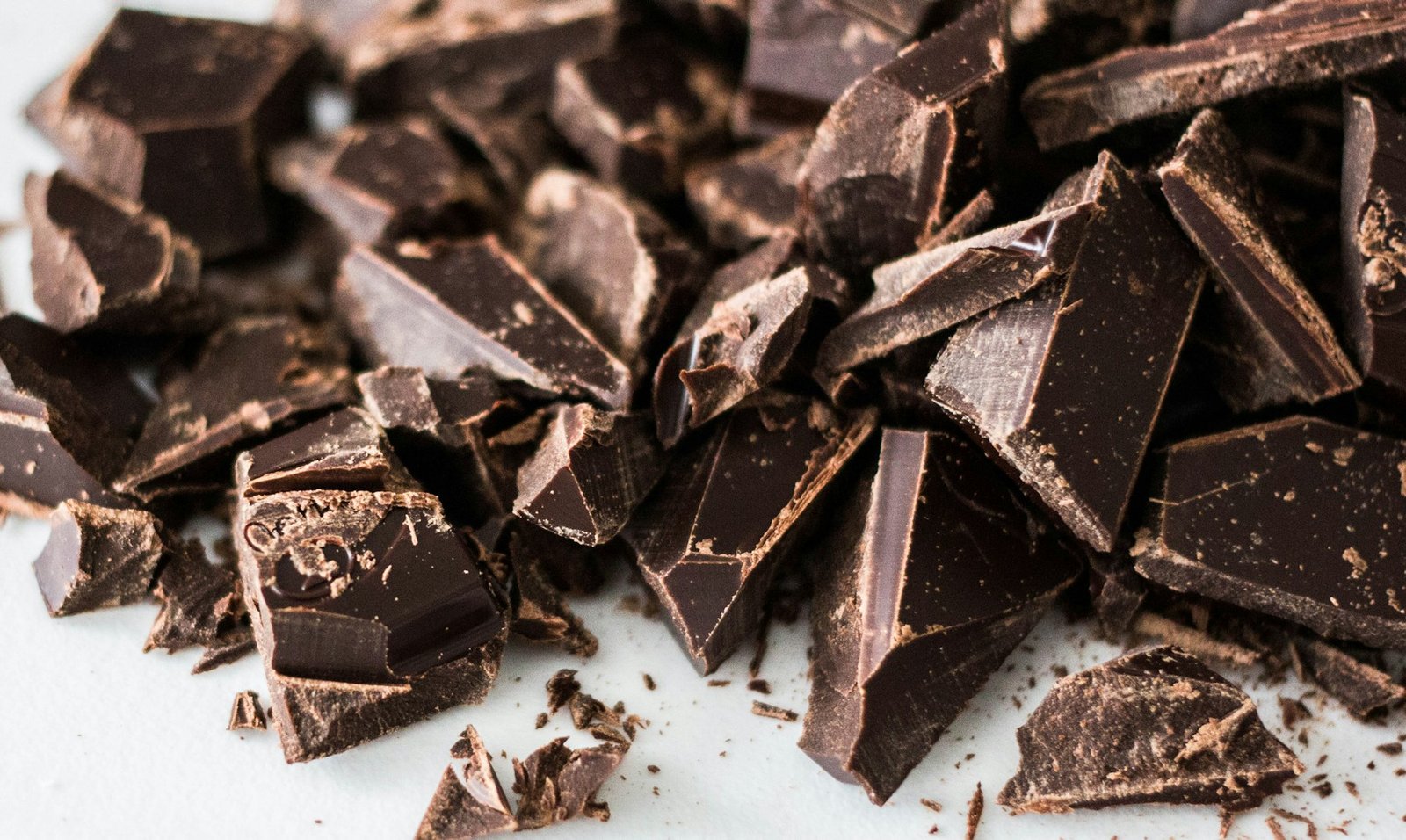
Behind every glossy chocolate bar and delicate bonbon lies precise control of fat crystals, ingredient ratios, temperature and moisture. This visual guide explains the science that makes chocolate production consistent.
Chocolate is a dispersion of cocoa and sugar particles in a continuous fat phase. Cocoa solids create flavour and colour; cocoa butter governs melting and crystallization. Sugar, milk solids and emulsifiers affect sweetness, mouthfeel and flow.
Couverture contains cocoa butter and usually requires tempering for moulded applications. Compound coatings use alternative vegetable fats and generally have different setting behaviour. Choose according to the desired finish, snap and application.
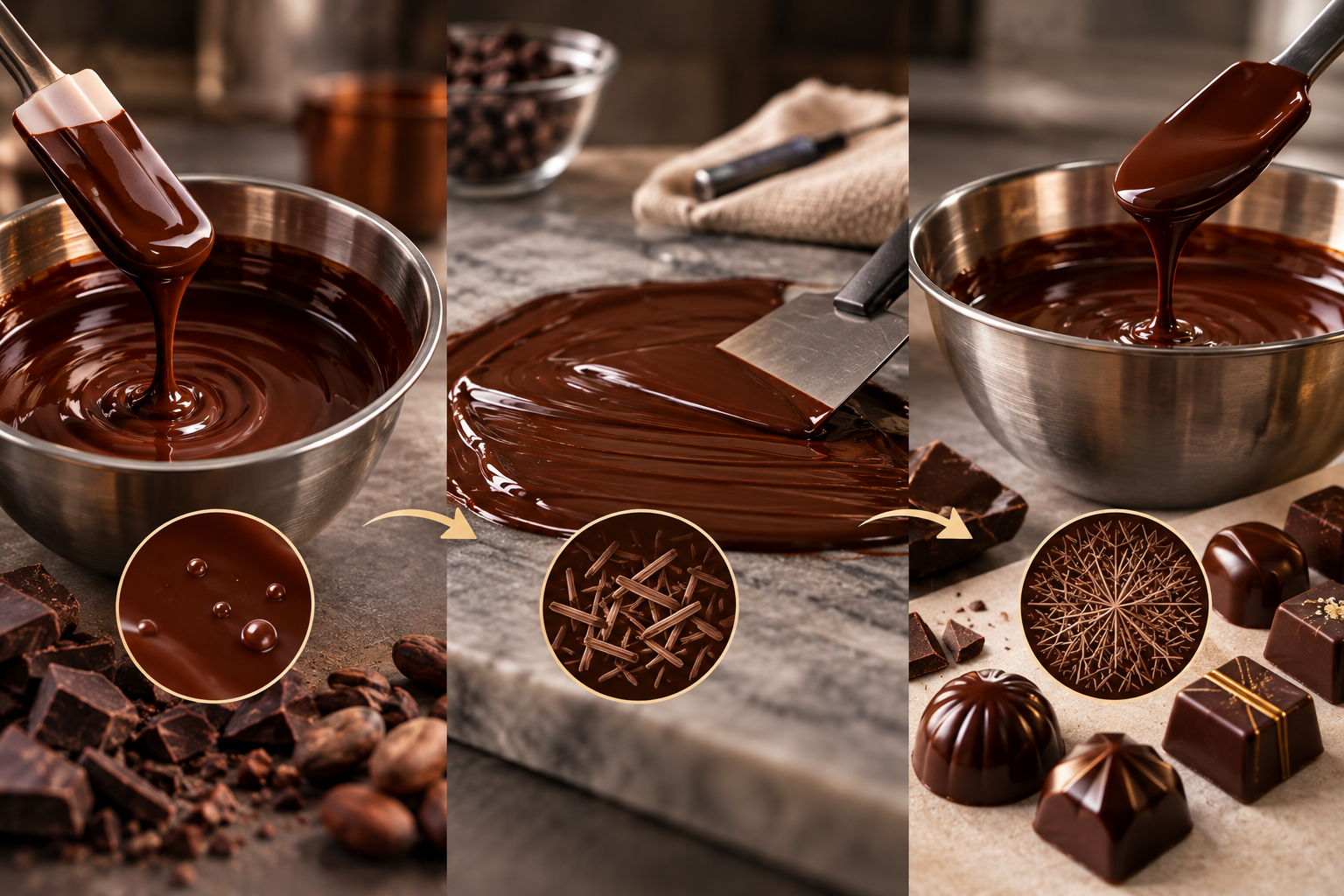
Cocoa butter can crystallize into different forms. A suitable population of Form V crystals gives well-tempered chocolate shine, snap and good mould release. Tempering uses controlled melting, cooling and working temperatures.
| Couverture | Typical working temperature |
|---|---|
| Dark | 31–32°C |
| Milk | 29–30°C |
| White | 28–29°C |
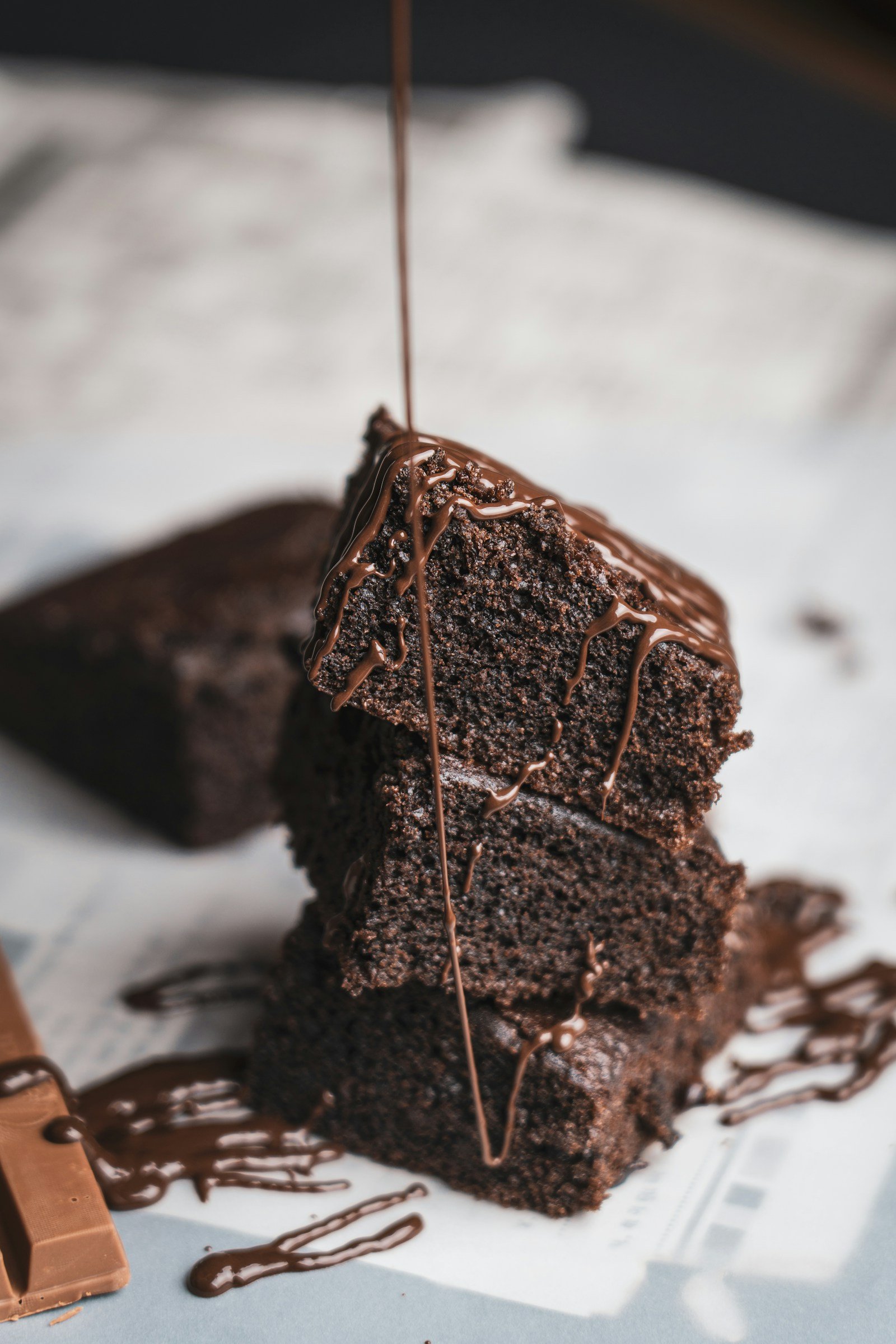
Ganache texture depends on the balance of chocolate, water, fat and sugar. Dark, milk and white chocolate require different formulations. Water activity and hygienic handling are crucial for filled-chocolate shelf life.
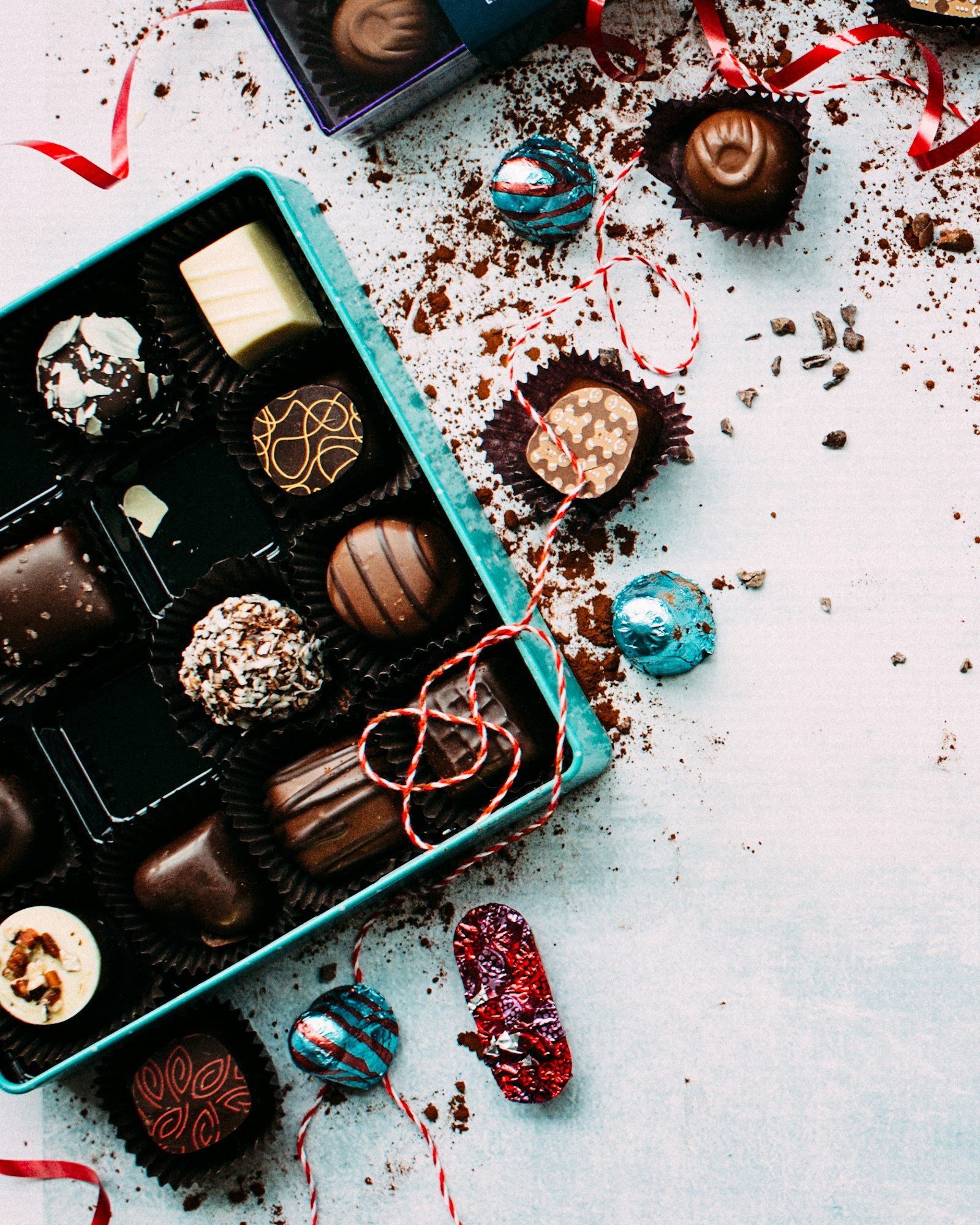
A successful bonbon requires a clean mould, properly tempered shell, correctly cooled filling, careful sealing and sufficient crystallization before demoulding. Shell thickness and filling texture affect the eating experience.
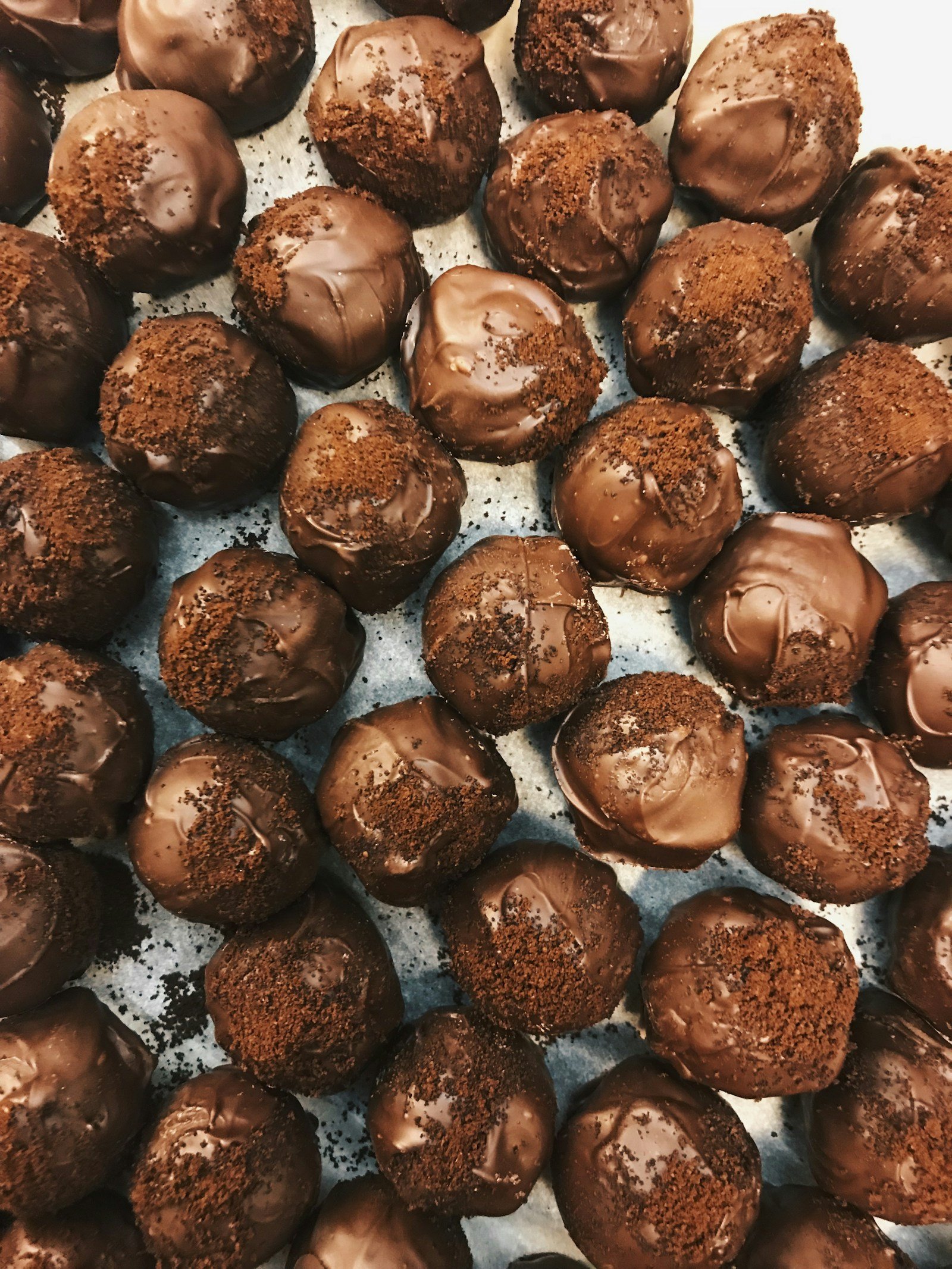
Avoid condensation, humidity, direct sunlight and fluctuating temperatures. Filled chocolates can require product-specific storage and microbial shelf-life validation; a chocolate shell does not automatically make a filling shelf-stable.
| Problem | Likely causes | Prevention |
|---|---|---|
| Fat bloom | Unstable crystals or fat migration | Correct tempering and stable storage |
| Sugar bloom | Condensation | Avoid humidity and rapid temperature shifts |
| Dull chocolate | Tempering or mould surface issues | Clean, dry moulds and proper temper |
| Ganache separation | Emulsion imbalance | Adjust formulation and mixing |
Understand crystallization, control moisture and temperature, and evaluate the finished product for shine, texture and flavour.
